Nomenclature
Prairie sunflower (Helianthus petiolaris Nutt.) belongs to the Helianthus section of the Asteraceae or Aster family (Schilling and Heiser 1981; Schilling 2006).
Family
Asteraceae – Aster family
Genus
Helianthus
Species
petiolaris
NRCS Plant Code
HEPE (USDA NRCS 2026)
Subtaxa
The following two subspecies are recognized by the Flora of North America and USDA NRCS: Helianthus petiolaris subsp. fallax and H. p. subsp. petiolaris (Schilling 2006; ITIS 2026; USDA NRCS 2026).
A third subtaxa (H. petiolaris var. canescens A. Gray) has been proposed but not yet made official (Schilling 2006). It was treated as H. niveus (Bentham) Brandegee subsp. canescens (A. Gray) Heiser (Heiser et al. 1947), but molecular and morphologic data appear to suggest placement within H. petiolaris (Schilling 2006).
Synonyms
Helianthus niveus subsp. canescens (A. Gray) Heiser, H. canescens (A. Gray) S. Watson, H. canus (Britton) Woot. & Standl., H. petiolaris var. canescens A. Gray (ITIS 2026).
Common Names
Prairie sunflower, plains sunflower, sandhill sunflower (Frolik and Shepherd 1940; Tolstead 1942; Johnson and Larson 1999)
Chromosome Number
Chromosome number is: 2n = 34 (Schilling 2006).
Hybridization
Natural hybrids with common sunflower (H. annuus) and cucumberleaf sunflower (H. debilis) have been reported (Weber 1976; Schilling 2006). Hybrid swarms with common sunflower were studied by Heiser (1947) and in areas where prairie and annual sunflower distributions overlap, hybridization frequency ranged from 4 to 15% (Rieseberg et al. 1998).
Distribution
Prairie sunflower is considered native to western North America but now occurs nearly throughout the US and Canada, although “efforts to delimit [its] natural boundaries before the appearance of man and subsequent spread as a weed meet with little success” (Heiser 1947).
Subspecies petiolaris occurs nearly throughout the conterminous United States and in British Columbia, Alberta, Saskatchewan, Manitoba, and Ontario, Canada (Schilling 2006; MacKinnon et al. 2014). Subspecies fallax occurs in Nevada, Utah, Colorado, and Arizona (Schilling 2006).
Habitat And Plant Associations
Prairie sunflower occurs in a variety of dry, open habitats and is often associated with disturbed soils (Fig. 1). It is common in grasslands and sagebrush (Artemisia spp.) shrublands (Pammel 1910; Ramaley 1919; Lesica 2012; MacKinnon et al. 2014; Welsh et al. 2015; Hitchcock and Cronquist 2018).
Prairie sunflower is a common species in the sand sagebrush (A. filifolia)-mixed prairie rangeland cover type (Shiflet 1975, 1994). It is seasonally abundant in sand sagebrush-mixed prairie in the central and southern Great Plains growing with sand sagebrush, blue grama (Bouteloua gracilis), sand dropseed (Sporobolus cryptandrus), big bluestem (Andropogon gerardii), and little bluestem (Schizachyrium scoparium) on deep sandy soils where annual precipitation averages 12 to 24 in (305-610 mm) (Shiflet 1975, 1994).
Prairie sunflower was associated with disturbed sites in creosote bush (Larrea spp.) and big sagebrush (Artemisia tridentata) in southern Nevada (Beatley 1976) and with many substrates in salt desert shrub (Atriplex spp.), desert shrub, pinyon-juniper (Pinus–Juniperus spp.), and riparian vegetation in Utah (Welsh et al. 2015). In western North Dakota, prairie sunflower occurred in saltgrass-western wheatgrass (Distichlis stricta–Agropyron smithii) grasslands (Hanson and Whitman 1938). In Colorado, prairie sunflower was often found in weedy, recently abandoned agricultural land and occurred in ponderosa pine-Douglas-fir (P. ponderosa–Pseudotsuga menziesii), pinyon-juniper, and browse-shrub types with Gambel oak (Quercus gambelii), skunkbush sumac (Rhus trilobata), and alderleaf mountain mahogany (Cercocarpus montanus) (Costello 1944a). In Colorado and Nebraska, prairie sunflower was a common species in sand prairie with needle and thread (Hesperostipa comata), sand bluestem (Andropogon hallii), prairie sandreed (Calamovilfa longifolia), mixed-grass prairie with sandhill muhly (Muhlenbergia pungens), and in sandhills and dune habitats (Ramaley 1939; Frolik and Shepherd 1940). It was also frequent along roadsides and trails and was often more abundant in heavily grazed than undisturbed vegetation (Ramaley 1939). In the sandhills of Nebraska, prairie sunflower was widely distributed in the interstitial spaces of bunchgrass communities dominated by sand bluestem and little bluestem. It also occurred as dense stands in ‘waste’ places like stock yards and dump heaps (Pool 1914).
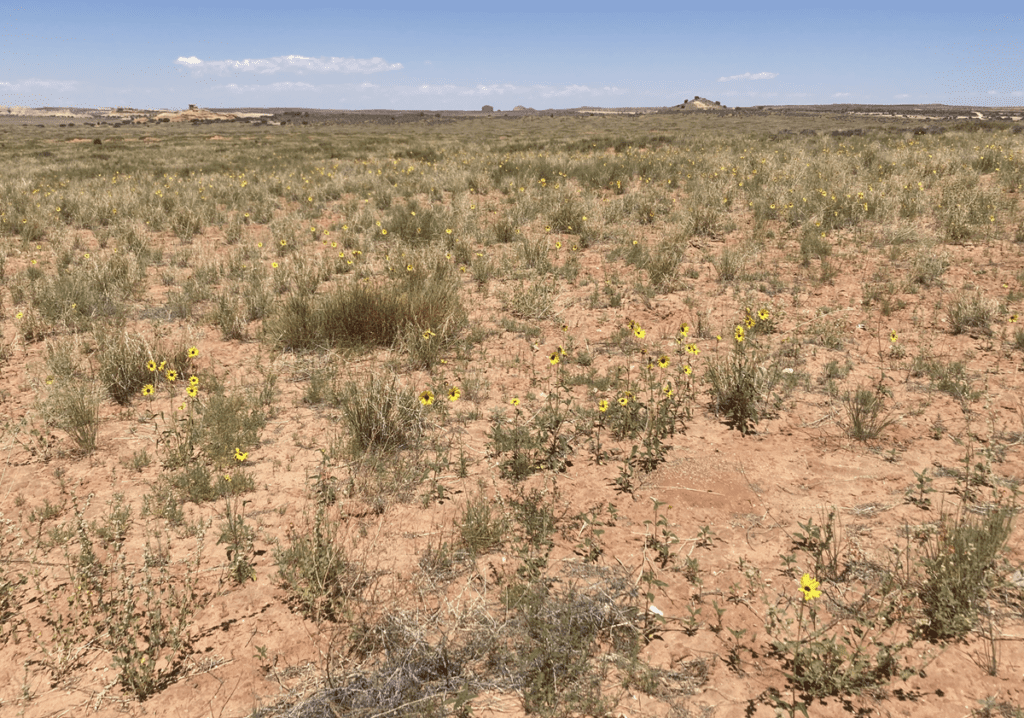
Figure 1. Abundant prairie sunflower growing in a somewhat weedy grassland in Utah. Photo: U.S. Department of the Interior, Bureau of Land Management, Seeds of Success (USDI BLM SOS) UT060.
Elevation
Prairie sunflower occurs at elevations from 30 to 8,200 ft (10-2,500 m) with subsp. petiolaris occurring from 30 to 6,560 ft (10-2000 m) and subsp. fallax from 3,940 to 8,200 ft (1200-2500 m) (Schilling 2006). Elevation range for the species ranges from 50 to 6,700 ft (15-2,040 m) in the Sonoran Desert (Spellenberg 2012), below 1,480 ft (450 m) in California (Hickman 1993), and between 4,000 and 6,300 ft (1,220-1920 m) in Utah (Welsh et al. 2015).
Soils
Disturbed, dry open areas with sandy soils are preferred (Heiser 1947; Goodrich and Neese 1986; Johnson and Larson 1999; Schilling 2006; LBJWC 2026). Prairie sunflower is xerophytic and salt intolerant (Pammel 1899; Bush and Van Auken 2004).
Prairie sunflower often occurs in coarse-textured or sandy soils (Stromberg et al. 1996; Taylor 1998). In a study of ecological relationships of plants common in the northern plains of Montana, North Dakota, South Dakota, Wyoming, and Nebraska, prairie sunflower was associated with sandy loam or loamy sand soils (USDI BIA 1976). In the sand sage prairie rangeland vegetation type in the Plains region, where prairie sunflower is common, soils are deep loamy fine sands (Shiflet 1975). In the White Rocks area northeast of Boulder, Colorado, Cockerell (1918) described a site with Laramie sandstone soils that was “gay with prairie sunflower plants” in July.
Prairie sunflower is drought tolerant (Pammel 1899). In Colorado, it occurred in lower foothill dry grasslands where soils were coarse and rocky and readily penetrated by rain but quick to dry (Ramaley 1919). In western North Dakota, it grew in saltgrass-western wheatgrass grasslands on silt loams that were 26 to 40% sand with moderate to high water holding capacity (Hanson and Whitman 1938). When vegetation was compared at increasing distances from western harvester ant nests (Pogonomyrmex occidentalis) in northern Arizona, prairie sunflower cover was significantly greater at the nest rim where nutrients and water content were greatest in the stony loam soils. Bull thistle (Cirsium vulgare) dominated the nest rims in drought times, but prairie sunflower dominated the rims during monsoons (Uhey et al. 2024).
In a controlled water stress experiment conducted in Australia, prairie sunflower decreased carbon allocation to stems and increased it to reproductive parts, indicating an ability to alter allocations with environmental cues. This contributes to the species’ persistence by ensuring some seed production in heterogeneous environments. This study was conducted in the greenhouse with seed collected from a commercial plants grown in a field near Canberra (Sobrado and Turner 1986).
In comparisons of the habitats of prairie sunflower, annual sunflower, and their ancient hybrid, paradoxus sunflower (Helianthus paradoxus), soils were compared from habitats where the plants grew in Prairie County, Montana; Weld County, Colorado; and Hartley County, Texas. Soils were combined for the three locations supporting prairie sunflower, together the soils included 0.6% Na (0.5-0.9), 4.7% K (2.2-9.7), 79.6% Ca (69.2-90.3), 15.1% Mg (6.1-21.2), and 10.5 ppm sulfur (10-13.0). Soils were combined because this study focused on ecological differentiation in speciation as related to salinity responses which were experimentally applied. Native soils information was not the primary focus of the study (Karrenberg et al. 2006).
Paradox sunflower is more salt tolerant than either of its ancient parents. In a field study, prairie sunflower was transplanted into saline habitats where paradox sunflower grew. It did not survive 46 days while 90% of paradox sunflower transplants did survive (Lexer et al. 2003).
Description
Prairie sunflower is an erect annual from a taproot (Hickman 1993; Fagan 1998; Schilling 2006; Lesica 2012; MacKinnon et al. 2014; Welsh et al. 2015; Hitchcock and Cronquist 2018; Keil 2020). Plant traits are highly variable as phenotype is easily modified by environmental conditions (Heiser 1947), and hybridization occurs (Hitchcock and Cronquist 2018). Plants range from 1.3 to 6.5 ft (0.4-2 m) tall are often branched (Fig. 2). Leaves and stems range from glabrate to appearing grayish with an abundance of short stiff hairs (Munz and Keck 1973; Fagan 1998; Taylor 1998; Schilling 2006; Spellenberg 2012).
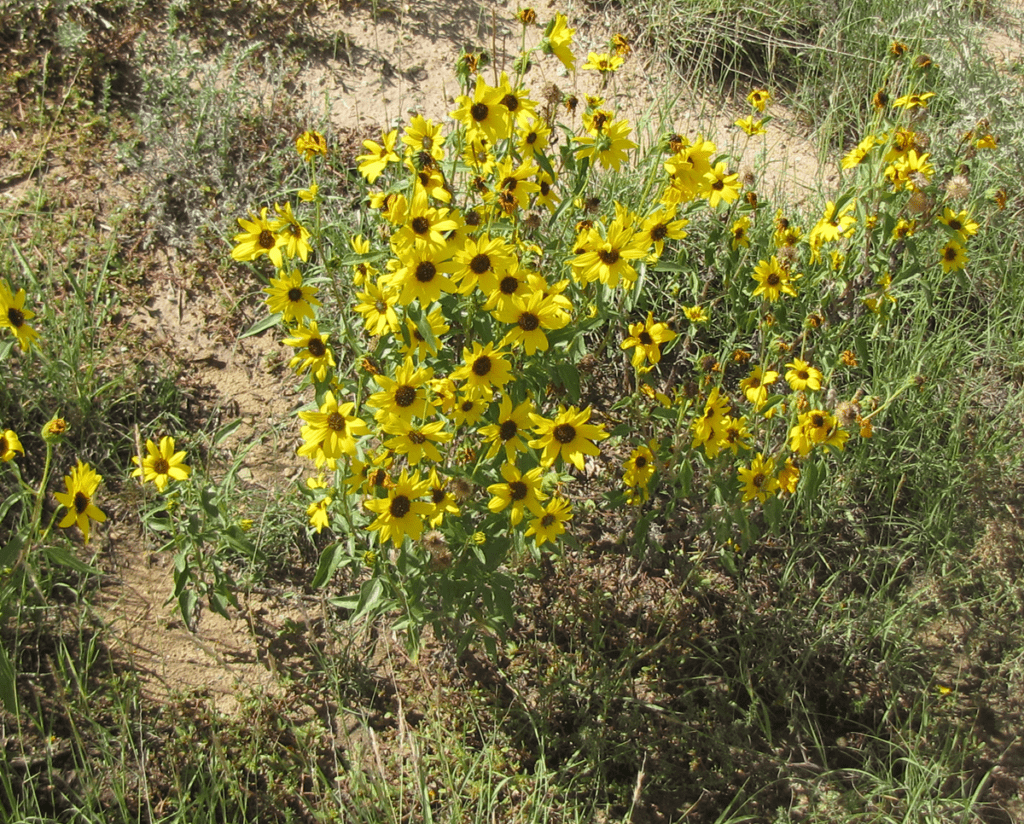
Figure 2. Prairie sunflower plant with multiple stems, branches, and flowerheads growing in New Mexico. Photo: USDI BLM SOS NM930.
Leaves are primarily cauline and alternate, although the lowermost may be opposite. Leaves are long-petiolate with blades about 1 to 3 times as long as wide (Fig. 3) (Weber 1976; Goodrich and Neese 1986; Hickman 1993; Fagan 1998; Taylor 1998; Schilling 2006; Welsh et al. 2015; Keil 2020). Blades are lanceolate to triangular to widely wedge-shaped, usually less than 4 in (10 cm) long, and mostly with entire margins (Munz and Keck 1973; Weber 1976; Johnson and Larson 1999; Lesica 2012; Spellenberg 2012; Hitchcock and Cronquist 2018). Blades are 3-veined from near the base (Hickman 1993).
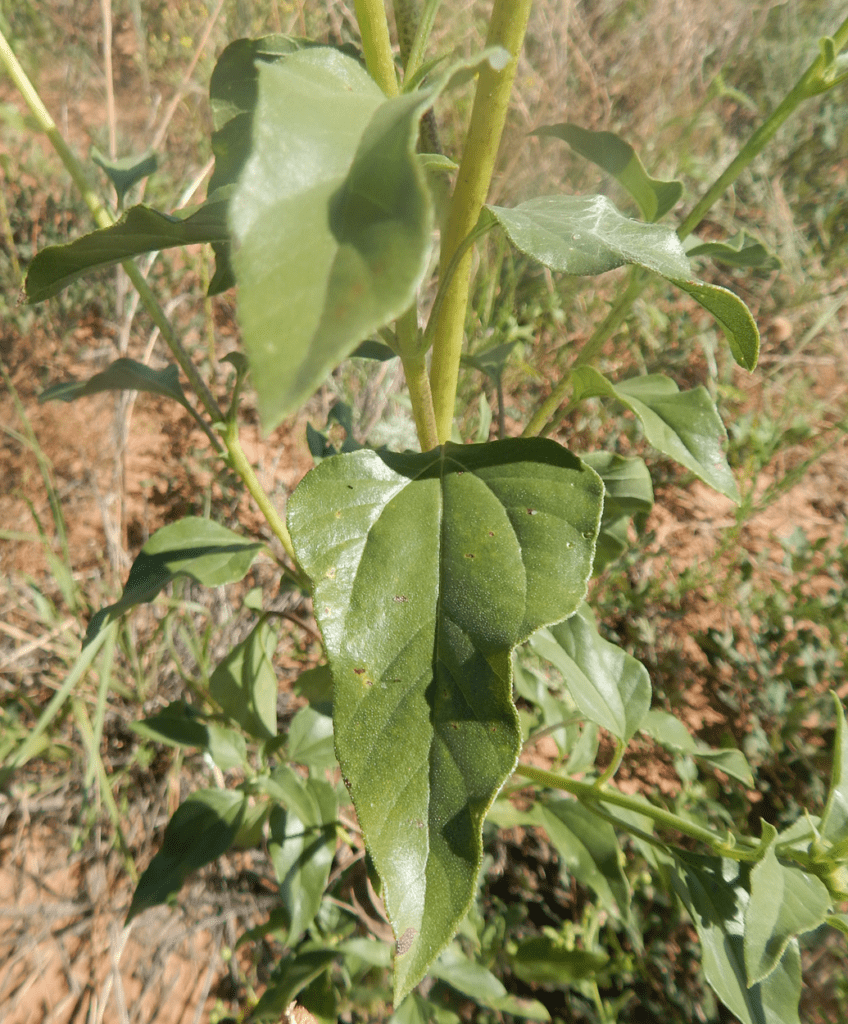
Figure 3. Prairie sunflower plant leaves that are elongate-triangular with minute stiff white hairs. Photo: USDI BLM SOS NM080.
Few to many (1-10+) flower heads are borne at the end of stems and branches (Goodrich and Neese 1986; Hickman 1993; Taylor 1998; Spellenberg 2012; Keil 2020; LBJWC 2026). Heads are up to 2 in across and made up of 9 to 30 yellow ray florets surrounding numerous dark purple to reddish brown or blackish disk florets (50-100+) (Fig. 4) (Fagan 1998; Taylor 1998; Schilling 2006; Spellenberg 2012; MacKinnon et al. 2014). Involucre bracts (<0.5 in [1.2 cm] long) are narrowly lance-shaped, hairy, and nearly equal in length (Fig. 5) (Weber 1976; Taylor 1998; Spellenberg 2012). Ray florets are non-fertile and have 3-toothed tips. Disk flowers are fertile and together the disk measures 0.5 to 1 in (1.3-2.5 cm) across (Munz and Keck 1973; Hickman 1993; Schilling 2006; Spellenberg 2012).
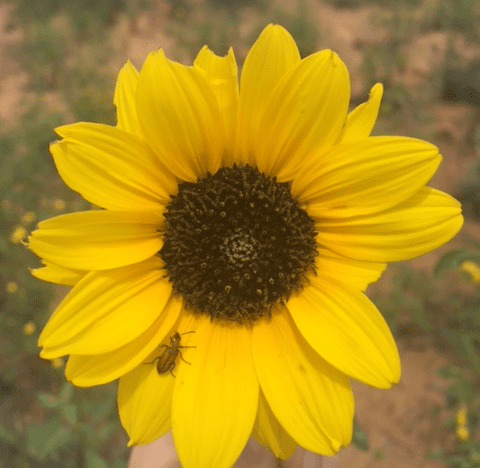
Figure 4. Solitary prairie sunflower head comprised of yellow ray florets surrounding dark brown disk florets. Photo: USDI BLM SOS NM080.
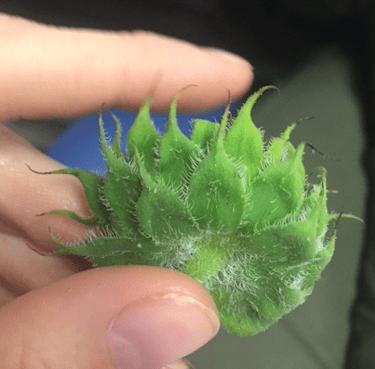
Figure 5. Solitary prairie sunflower head from below showing the nearly equal sized hairy bracts. Photo: USDI BLM SOS NM080.
Prairie sunflower produces one-seeded fruits (cypselae) that are flattened, wedge-shaped, and 3 to 5 mm long (Taylor 1998; Schilling 2006; Lesica 2012; Spellenberg 2012; Welsh et al. 2015). Seed coats are generally grayish with dark lengthwise streaks and mottlings and stiff upward directed hairs. At the top are two fragile scales (Hickman 1993; Taylor 1998; Martin and Barkley 2000; Spellenberg 2012; Welsh et al. 2015).
Distinguishing prairie sunflower and annual sunflower. Prairie sunflower can be distinguished from annual sunflower by its densely canescent herbage and mostly non-serrate leaf margins. Annual sunflower herbage is hispid and leaf margins are usually serrate (Schilling 2006). The hairs of prairie sunflower are smooth to the touch while annual sunflower is rough to the touch (Heiser 1947). Prairie sunflower is often found on sandy soils while annual sunflower prefers heavier soils (Heiser 1947).
Distinguishing infrataxa. Leaves of subspecies fallax are about two times as long as broad and proportionally shorter than those of subspecies petiolaris (Welsh et al. 2015). Subspecies petiolaris peduncles are usually bractless with phyllaries (involucral bracts) that are larger (3-5 mm) than those of subspecies fallax (2-3.5 mm). Subspecies petiolaris produces disk florets with densely hairy basal bulges and those of fallax are not (Schilling 2006).
Reproduction
Prairie sunflower reproduces exclusively by seed. Plants are commonly in flower from June to August (Heiser 1947) but can be in anthesis for 8 to 9 months of the year (Steiger 1930). Flowers are possible from March to October in the Mojave and Sonoran Deserts (Mulroy and Rundel 1977; Spellenberg 2012).
Breeding System
Prairie sunflower is self-incompatible (Rieseberg and Linder 1999); cross pollination is generally required to produce viable seed (Gutierrez et al. 2020).
Pollination
Prairie sunflower is an important pollinator species (see also Wildlife and Livestock Use section).
At a common garden in eastern Colorado, prairie sunflower received 613 visits from long-horned bees (Melissodies spp.), 22 from furrow bees (Halictus spp.), 19 from wood-boring bees (Lithurgus spp.), 18 from mining bees (Andrena spp.), up to 8 visits from honey bees (Apis spp.), bumble bees (Bombus spp.), sunflower bees (Diadasia spp.), and sweat bees (Lasioglossum spp.), and 1 to 2 visits from sweat bees (Agapostemon spp.), carder or potter bees (Anthidium spp.), plasterer bees (Colletes spp.), long-tongued bees (Eucera spp.), leafcutter bees (Megachile spp.), and fairy bees (Perdita spp.). Bee visitation was monitored for three days using cameras (Schwantes et al. 2018). The purpose of this study was to evaluate foraging behaviors of wild solitary long-horned bees in response to a cryptic predator, the ambush bug (Phymata americana) and was conducted from 15 to 17 August only, so bee visitation is restricted to this time period. Bees collected both nectar and pollen from prairie sunflower (Schwantes et al. 2018). In a study evaluating reproductive barriers between dune and non-dune prairie sunflower ecotypes at Great Sand Dunes National Park and Preserve in Colorado, 61 sand wasps (Microbemex monodonata) were collected in dune and just 2 in non-dune habitats. There were 38 collections of fairy bees (Perdita dolichocephala) from non-dune and none from dune habitats (Ostevik et al. 2016).
Ecology
Prairie sunflower is a ruderal species often associated with open and recently disturbed sites including abandoned agricultural lands, roadsides (Fig. 6), railways, and active sand dunes (Vestal 1914; Tolstead 1941; Heiser 1947; Kelso et al. 2001).
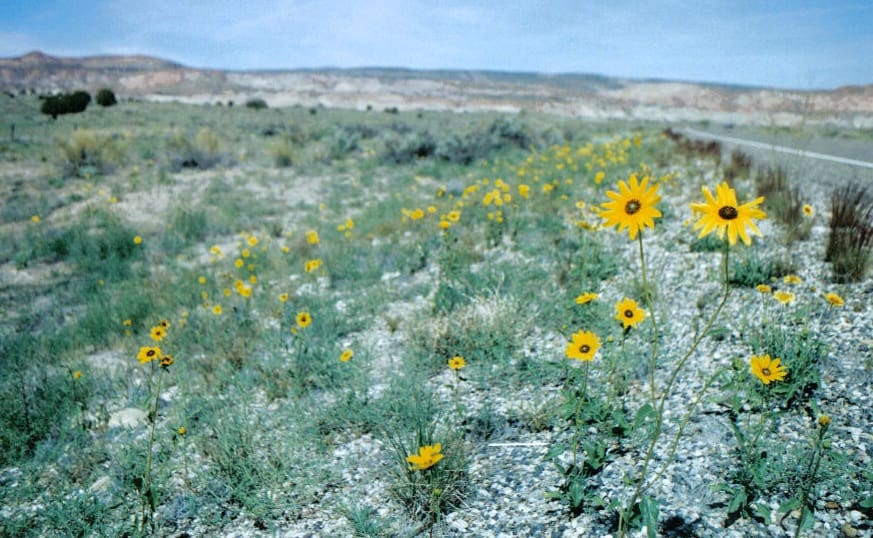
Seed And Seedling Ecology
Prairie sunflower produces an abundance of seed. A single, well-developed prairie sunflower plant produced 3,850 seeds when evaluated during maximum seed production. The plant was growing with minimal competition in North Dakota (Stevens 1932).
Dune and non-dune prairie sunflower populations have been used in many genetics studies of gene flow, local adaptation, divergence, and speciation, which provide some seed and seedling ecology knowledge of the species (Andrew et al. 2012; Huang et al. 2020, 2025).
A comparison of dune and non-dune plants and habitats found that emergence was the most important contributor to increased fitness (per capita annual population growth rate) of dune ecotypes in dune habitats (Goebl et al. 2024). Seeds from dune plants were more than twice the mass of those of non-dune plants, and seed mass was positively correlated with emergence and establishment. Fecundity was the most important contributor to increased fitness of the non-dune ecotypes in non-dune habitats (Goebl et al. 2024).
Studies of dune, non-dune, and intermediate habitats and populations also highlighted population dynamics differences (Table 1). Subpopulation sizes in dune habitats ranged much more widely than those of non-dune subpopulations. Seed survival to the germination stage was greatest in habitats intermediate between active sand dunes and non-dune habitats. Non-dune sites were richer in major nutrients (N, P, and Ca) than dune or intermediate sites (Andrew et al. 2012).
Table 1. Minimum, maximum, and average prairie sunflower population metrics in active dune, non-dune, and intermediate habitats in Great Sand Dunes National Park, Colorado (Andrew et al. 2012).
| Habitat | Min-Max Density May (no./m2) | Average* May Density | Min-Max Density Sept (no./m2) | Ave. Sept Density | Min-Max Mean survival (%) | Average Survival (%) |
| Dune (n=10) | 6.75-195 | 54.1 | 3.00-51.75 | 20.7 | 5.2-90.2 | 49.4 |
| Intermediate (n=3) | 1.75-8.75 | 6.3 | 1.00-11.50 | 5.5 | 41.7-100 | 70.1 |
| Non-Dune (n=8) | 0. 75-7.00 | 3.7 | 0.00-6.00 | 1.8 | 0.00-92.3 | 48.1 |
*Not reported, calculated from data provided in Andrew et al. (2012).
Local adaptation was evident in a reciprocal planting study in Utah. Prairie sunflower fitness was greatest when seeded in its natural habitat in a study that seeded prairie sunflower, annual sunflower, and western sunflower (Helianthus anomalus) in their own and each of the other species’ occupied habitats. Prairie sunflower germination averaged 13.7% and survival averaged 73.5% when planted in areas where it is known to occur naturally. Germination was lower (1.3-12.8%) and survival was lower (0.6-52.7%) when seeded in other relatives’ habitats (Donovan et al. 2010).
In a field study of seedling growth in an Alberta grassland, prairie sunflower plants grew larger but survival was lower when seedlings were protected from root competition (Cahill 2003). Seed was germinated in a growth chamber at 68 °F (20° C) in 16 hr light/8 hr dark conditions. Seedlings were transplanted in the field in mid-May in PVC pipes (diameter 15 cm, length 20 cm) or without PVC pipe protection in holes where large existing roots were removed. Seedlings were watered for 7 days after planting. Mortality of prairie sunflower was about 20% for seedlings in PVC pipes and about 10% for seedlings not in PVC pipes by mid-August. Total plant biomass was significantly greater (P < 0.05) when grown within PVC than without root protection (Cahill 2003).
Disturbance Ecology
Prairie sunflower is commonly associated with disturbed sites and early seral conditions (Ramaley 1939). It was one of the first species to colonize disturbed plains prairie vegetation in and around Boulder, Colorado (Vestal 1914). In sand dune habitats in the Chico Basin of Colorado, it occurred in all stages of succession (Kelso et al. 2001), and in Nebraska sandhills, Tolstead (1941) considered prairie sunflower a “disclimax” species growing on blow-outs caused by wind erosion that created holes in the surface of the landscape.
Old-Fields. Prairie sunflower is often one of the first species to colonize abandoned agricultural lands. It is common and sometimes abundant in formerly cultivated lands abandoned 1 to 5 years prior. At some sites in eastern Colorado and eastern Wyoming there can be nearly pure stands of prairie sunflower soon after abandonment (Costello 1944b). In the Pike’s Peak region of Colorado, it was abundant with high aboveground biomass in the first year of abandonment of agricultural sites in the ponderosa pine zone. Plants were still common with up to 90% frequency in fields abandoned 3 to 5 years earlier, but growth was less vigorous (Johnson 1945). In northeastern Colorado, prairie sunflower remained in 20-year-old fields near western harvester ant mounds (Costello 1944b). On Muscatine Island in Iowa, prairie sunflower was an early indicator species of prairie development, occurring in the early weed stage following watermelon wilt (Fusarium niveum) outbreaks which resulted in fields being uncultivated for 1 to 25 years (Aikman 1930).
Grazing. Prairie sunflower is often more abundant on sites that are heavily grazed. In a study of the ecological relationships of plants common in the northern plains of Montana, the Dakotas, Wyoming, and Nebraska, prairie sunflower was an invader of sites receiving heavy grazing pressure (USDI BIA 1976). In a study of prairie vegetation in eastern Nebraska the year following the great drought of 1934, prairie sunflower was one of several forbs that replaced grasses on sandy soil sites with heavy grazing pressure (Weaver and Albertson 1936). In sandhill vegetation in northeastern Colorado, prairie sunflower was often more abundant in heavily grazed than in undisturbed areas (Ramaley 1939). Yet, prairie sunflower was 10 times more abundant in exclosures than grazed Wyoming big sagebrush (Artemisia tridentata subsp. wyomingensis)-northern mixed-grass prairie pastures in a grazing intensity study at USDA ARS Central Plains Experimental Range in north-central Colorado. Grazed pastures received light to heavy (23-46 AUM/ac [9.3-18.6 AUM/ha]) continuous growing-season grazing for 75 years. The study area had loamy plains soils and a long-term annual precipitation average of 13.4 in (340 mm) (Porensky et al. 2020).
Fire. Prairie sunflower is common on recently burned sites and often more abundant or restricted to burned sites when compared to unburned sites (Pfeiffer and Steuter 1994; Stromberg et al. 1996; Ruthven et al. 2000; Volesky and Connot 2000). Cover of prairie sunflower was greater in burned than unburned plots regardless of grazing in mesquite-spiny hackberry (Prosopis glandulosa–Celtis ehrenbergiana) communities (Table 2; Ruthven et al. 2000). The study compared grazed and ungrazed sites within the Chaparral Wildlife Management Area in Dimmit County, Texas, following prescribed fires that occurred from late January to early March. Sites were grazed for about 7 years prior to burning at 0.77 AUM/ac (0.3 AUM/ha) from 3 March to 15 May. Cover of prairie sunflower was 10% on burned and grazed sites, and significantly (P < 0.05) greater (14%) on burned and ungrazed sites. Cover was 0% on unburned sites regardless of grazing (Ruthven et al. 2000).
Wildlife And Livestock Use
Prairie sunflower forage, flowers, and seeds are eaten by wildlife and livestock. Forage palatability decreases with age, but flower heads are readily grazed by wildlife and livestock. Seeds are important to small mammals and birds (Hermann 1966; Fagan 1998; Johnson and Larson 1999).
Small mammals. Prairie sunflower is important to swift foxes (Vulpes velox), hispid pocket mice (Chaetodipus hispidus), and Ord’s kangaroo rats (Dipodomys ordii) (Lemen and Freeman 1986; Uresk and Sharps 1986). Prairie sunflower was a major plant species (5% frequency) in a study of den site use by swift foxes in Haakon County, South Dakota (Uresk and Sharps 1986). On the Arapaho Prairie sandhills and grasslands of Nebraska, rodent habitat use was monitored using fluorescent pigments (Lemen and Freeman 1986). One hispid pocket mouse climbed 13 prairie sunflowers that were nearly 3 ft (1 m) tall to reach seed heads. Ord’s kangaroo rats cut prairie sunflower seed heads and returned to the ground to consume the seeds (Lemen and Freeman 1986).
Birds. Prairie sunflower seeds are important to gamebirds and songbirds. Finches (Fringilla spp.) relish the seeds (Spellenberg 2012). In eastern Eddy and western Lea Counties, New Mexico, 120 scaled quail (Callipepla squamata) were collected in mid-November in Harvard oak-honey mesquite (Quercus havardii–Prosopis glandulosa) habitats (Best and Smartt 1985). Prairie sunflower was one of most important foods, found in 75% of crops and making up 28% of total crop volume. Prairie sunflower was important to both males (32% frequency) and females (24% frequency) (Best and Smartt 1985). In the same study area and habitat in New Mexico, prairie sunflower occurred in 95% of 157 mourning dove crops (Zenaida macroura) and made up 78% of crop volume of birds collected in early September. In these habitats, density of prairie sunflower was estimated at 958 plants/ac (2,363/ha) (Best and Smartt 1986). Desert horned larks (Otocoris alperstis leucolaema) commonly fed in ruderal vegetation in recently abandoned agricultural lands near Aurora Colorado where prairie sunflower was a common seed food (Kelso 1931).
Insects. Prairie sunflower is important to a variety of insects and pollinators (Brisley 1925; Depew 1986; Robinson et al. 2024). Sunflower beetle larvae (Zygogramma exclamationis) develop in prairie sunflower buds and feed on newly formed leaves as they unfold (Brisley 1925). Larvae do not destroy the buds. Adults rest and mate on prairie sunflower leaves in mid-summer in south-central Arizona (Brisley 1925). Sunflower moths (Homoeosoma electellum) were collected from prairie sunflower plants in July in southwestern Kansas (5 larvae from 100 plants) (Depew 1986). Prairie sunflower is a host plant to sunflower patch butterflies (Chlosyne lacinia), gorgone checkerspot butterflies (Chlosyne gorgone), and gold-edged gem moths (Schinia avemensis) (Robinson et al. 2024).
In a study comparing leaf metabolites and feeding preferences of insect herbivores, prairie sunflower was preferred by monophagous insects (Cates and McElroy 1987). Salt marsh moths (Estigmene acrea) reared larvae successfully in prairie sunflower. Larvae growth and development were better in mature than young leaves. Sunflower patch butterflies and yellow sunflower moths (Stiria rugifrons) also preferentially fed on prairie sunflower (Cates and McElroy 1987).
A large variety of bees utilize prairie sunflower. In a guide to the native bees of New Mexico, prairie sunflower was photographed with western honey bee (Apis mellifera) visitors. It was also photographed with many long-horned bees (Martinapis spp.) sleeping in a single flower head (Grasswitz and Dreesen nd). Leaf cutter bees (Dianthidium sayi) were observed feeding on prairie sunflower flowers and harvesting resin from stems and leaves to construct nests (Custer and Hicks 1927).
The following insect families and species use prairie sunflower: Andrenidae: Andrena accepta, A. haynesi, A. helianthin; Apidae: Bombus auricomus, B. fervidus, B. huntii, B. impatiens, B. intrudens, B. pensylvanicus, B. variabilis, Epeolus minimus, Melissodes agilis, M. coreopsis, M. druriella, M. gelida, M. glenwoodensis, M. perlusa, M. plumosa, M. wheeleri, Nomada vegana, N. vincta, N. zebrata, Triepeolus dacotensis, T. helianthin; Bombyliidae: Phthiria sulphurea; Halictidae: Agapostemon splendens, Dufourea marginata, D. maura, Halictus ligatus, Lasioglossum leucocomum, L. microlepoides, L. paraforbesii, L. pectorale, L. semicaeruleum, L. succinipenne; Megachilidae: Coelioxys octodentata, Dianthidium curvatum, Hoplitis pilosifrons, Megachile casadae, M. dentitarsus, M. fidelis, M. inimica, M. parallela, Trachusa cordaticeps, T. occidentalis, T. zebrata; Melittidae: Hesperapis carinata; Miridae: Lygus shulli, Perdita albipennis, P. bruneri, P. dolichocephala, P. labergei, P. laticincta, P. lingualis, P. phymatae, P. pretiosa, P. swenki, P. tridentata, P. verbesinae, Pseudopanurgus aethiops, P. innuptus, P. renimaculatus, P. simulans; Colletidae: Colletes rufocinctus, C. simulans, C. susannae, Hylaeus leptocephalus (Discover Life 2026).
Nutritional Value
Prairie sunflower seeds have high oil (18.1-29.9%) and protein (16.9-21.2%) content (Dorrell and Whelan 1978; SER, INSR, RBGK 2026). Seeds collected from six populations along dry, sandy roadsides or ditches in the prairie regions of Saskatchewan and Manitoba, averaged 31.3% oil content and 4% fatty acid content. Acid composition averaged 4% palmitic, 2.3% stearic, 18.4% oleic, and 74% linoleic (Seiler and Brothers 1999). Plant material collected in Texas had the following solvent extractable fractions: ash 12.6%, oil 1.9%, protein 11.8% (Seiler et al. 1991).
Ethnobotany
Prairie sunflower was and remains an important food and medicine of Indigenous populations (Palmer 1878; MacKinnon et al. 2014). It was grown as a crop by some First Nations (MacKinnon et al. 2014).
Food. Prairie sunflower seeds are eaten raw or dried and ground and made into cakes (Palmer 1878; Turner et al. 1990). Thompson people of Canada processed seeds by drying them, grinding them slightly to break the shells, and placing them in water where the seeds sank and shells floated to the top. Seeds were then roasted and used to make a coffee-like drink, eaten whole, or ground and mixed with bone marrow or grease and made into cakes. Crushed seeds were also boiled in water to produce oil that was skimmed off the top and used like olive oil. Seed sprouts were also eaten (Turner et al. 1990). Paiute people ground seeds into a flour and made it into cakes that were baked in hot ashes and taken on hunting excursions (Palmer 1878). Mescalero and Chiricahua Apache harvested prairie sunflower seeds. Hidatsa preferred wild over cultivated seeds because of the superior oil produced by smaller wild seeds. Seed heads were gathered late in the season after frosts, which increased the oil content (Kindscher 2024). Havasupai harvested wild and cultivated common and prairie sunflower seeds, which were ground and made into cakes or seed butter (Weber and Seaman 1985; Weber et al. 1985). They selected plants with superior yield and sweetness and grew them along the edge of corn fields. Seed heads were dried, threshed, and stored for later use (Weber et al. 1985).
Medicine. Helianthus species have hypoglycemic activity and have been and continue to be used to treat ailments like rheumatism, headaches, kidney weakness, malaria, worms, fatigue, sores, swellings, blisters, and prenatal problems (Whiting 1939; MacKinnon et al. 2014). The seed oil is used to relieve coughs and laryngitis. Flowers are used to make medicinal teas to treat lung problems and leaf teas are taken to relieve high fevers. Leaf poultices treated snake and spider bites. Pith from stalks was rubbed on scratched warts to remove them (MacKinnon et al. 2014). Thompson Indians dried prairie sunflower leaves, ground them into powder, and mixed them with grease to make an ointment to treat sores and swellings (Steedman 1928; Turner et al. 1990). The Ramah Navaho made a cold infusion of the whole plant and considered it ‘life medicine’ (Vestal 1952).
Other. Helianthus species were used for decoration and construction and were important signals. The Ramah Navaho sprinkled flowers on clothing for good luck in hunting (Vestal 1952). Hopi used stems to add strength in chimney construction, flowers for personal decoration, and dried and ground petals mixed with yellow cornmeal to make a yellow face powder used in the woman’s basket dance. Hopi in northeastern Arizona made a blue dye from prairie sunflower seeds for use in blanket making (Hough 1897). An abundance of Helianthus plants signaled rains and harvests would be abundant (Whiting 1939).
Horticulture
Wild prairie sunflower is used in breeding studies with annual sunflower crops to improve tolerance to rust, wilt, powdery mildew, and insect pests (Gutierrez et al. 2012).
Revegetation Use
Prairie sunflower is recommended for revegetation and creation of pollinator and wildlife habitat. It attracts bees, butterflies, and birds (Tilley et al. 2013, 2019; USDA NRCS 2023; Wojcik and Morandin 2024). Prairie sunflower has a rapid growth rate and grows well in disturbed sites with coarse textured soils receiving at least 8 in (200 mm) of annual precipitation (Tilley et al. 2013, 2019; USDA NRCS 2023). It may also be useful in the restoration of shooting ranges and mine sites. It was used to phytostabilize a long-time polluted shooting range in Argentina with high concentrations of lead (Saran et al. 2020). In controlled studies, prairie sunflower grew in soils with up to 50 mg/kg of cadmium and up to 1000 mg/kg of lead (Saran et al. 2020).
Developing A Seed Supply
For restoration to be successful, the right seed needs to be planted in the right place at the right time. Coordinated planning and cooperation is required among all partners to select appropriate species and seed sources; these are determined by site conditions and current or projected revegetation requirements and goals (PCA 2015) and consultation with land managers and stakeholders.
Developing a seed supply begins with seed collection from native stands. Collected seed is distributed for restoration or production of nursery stock. Increase in agricultural seed fields may be required to provide a supply of seed (PCA 2015). Production of nursery stock requires less seed than large-scale seeding operations. Regardless of the size and complexity of any revegetation effort, seed certification is essential for tracking seed origin from collection through use (UCIA 2015).
Seed Sourcing
Goebl et al. (2022) evaluated population success of low to high genetic diversity crosses of prairie sunflower from four source populations near the Colorado Plateau. Sources grew at sites with average growing season temperatures of 54 to 69 °F (12-20 °C) and precipitation averaging 3.7 to 6.5 in (95-165 mm). Multiple systematic crosses were made within and between source populations to generate seeds with high and lower levels of both individual and population-level genetic diversity. Low and high diversity seeds were grown away from any source population in two common gardens 985 ft (300 m) apart near Boulder, Colorado. Researchers quantified environmental quality of growth conditions at plots where water was the only manipulated variable using a combined measure of site, treatment, and plot effects on above-ground final dry biomass of prairie sunflower. Emergence was highest for a low-diversity lineage producing large seeds. Emergence was lowest for all lineages in the highest quality plots (receiving supplemental water). Emergence was intermediate for high-diversity lineages across all environmental qualities. Survival in low-quality environments (50% of natural precipitation) was highest for high-diversity lineages. In high-quality plots, survival was very high and similar across all lineages. When emergence, survival, and reproduction were combined into a net performance metric, higher genetic variation resulted in intermediate or improved performance compared to most low-diversity lineages. No single low-diversity lineage performed better than the high-diversity lineage across the range of environments tested. Low-diversity lineages were often comparable in low-quality environments compared to high-diversity lineages (Goebl et al. 2022).
Because empirical seed zones are not currently available for prairie sunflower, generalized provisional seed zones developed by Bower et al. (2014) may be used to select and deploy seed sources. These provisional seed zones identify areas of climatic similarity with comparable winter minimum temperature and aridity (annual heat to moisture index). In Figure 7, Omernik Level III Ecoregions (Omernik 1987) overlay the provisional seed zones to identify climatically similar but ecologically different areas. For site-specific disturbance regimes and restoration objectives, seed collection locations within a seed zone and ecoregion may be further limited by elevation, soil type, or other factors.
The Pacific Northwest Research Station’s (USDA FS PNW 2026) Threat and Resource Mapping (TRM) Seed Zone application provides links to interactive mapping features useful for seed collection and deployment planning. The Climate Smart Restoration Tool (Richardson et al. 2020) can also guide revegetation planning, seed collection, and seed deployment, particularly when addressing climate change considerations.
Occurrence Map
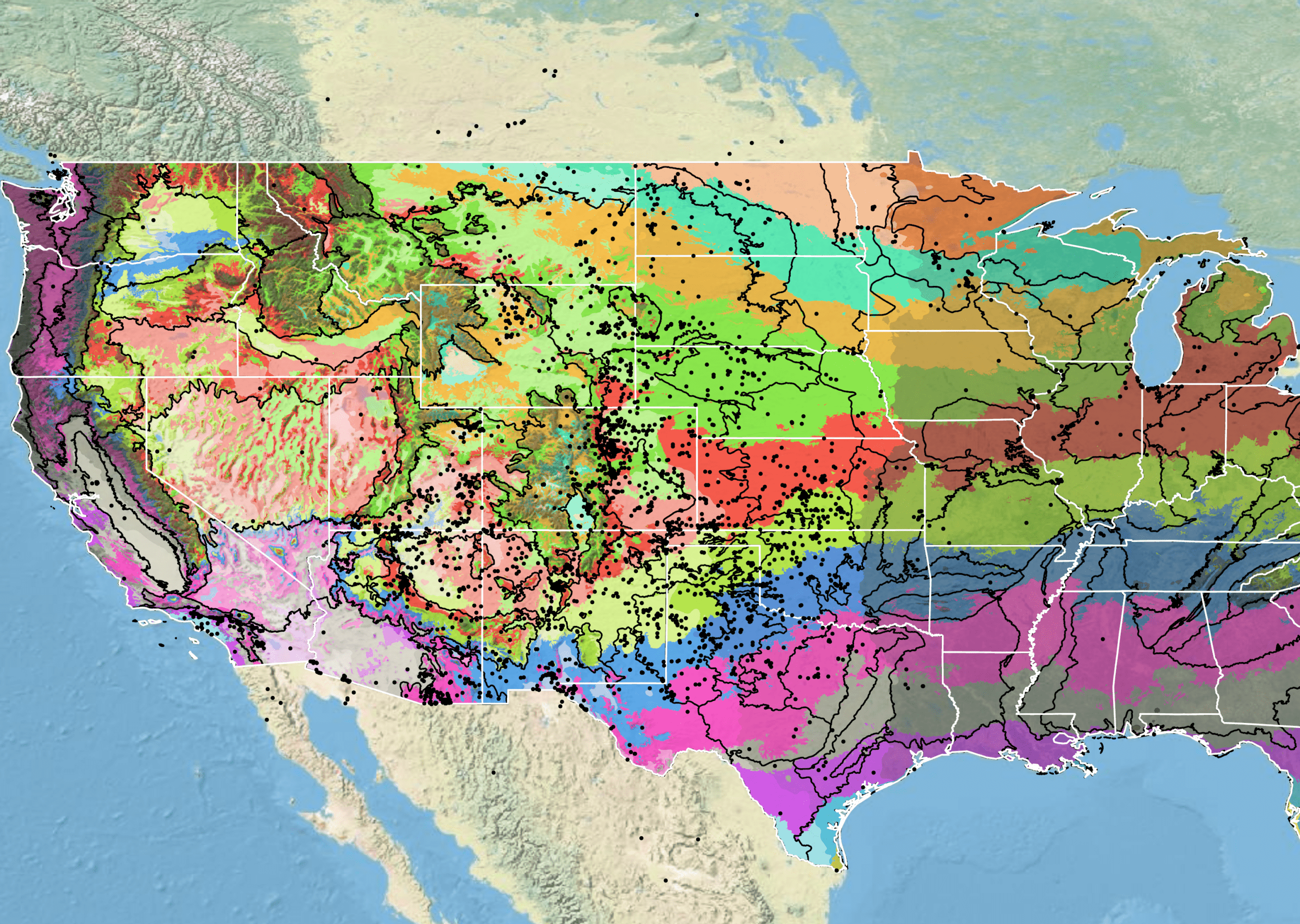
Figure 7. Distribution of prairie sunflower (black circles) based on geo-referenced herbarium specimens and observational data from 1842-2023 (SEINet 2023; CPNWH 2020; USDI USGS 2023). Generalized provisional seed zones (colored regions) (Bower et al. 2014) are overlain by Omernik Level III Ecoregions (black outlines) (Omernik 1987; USDI EPA 2018). Interactive maps, legends, and a mobile app are available (USDA FS PNW 2026; https://www.fs.usda.gov/wwetac/Seedzonemapping.php). Map prepared by Sarah Barga and Benton Spendlove, USFS RMRS.
Releases
Cytoplasm from wild prairie accessions is used in breeding programs for improvement of cultivated annual sunflower. It has provided genes to improve disease and insect resistance, increase oil concentration of seeds, increase protein content of forage, and improve drought and herbicide resistance (Skoric 1992; Ungerer et al. 1998; Seiler et al. 2017).
Helianthus species have also been invaluable to ecological experimentation and to the advancement of ecological and evolutionary biology and genetics (Skoric 1992; Ungerer et al. 1998; Seiler et al. 2017).
As of 2026, there were no prairie sunflower germplasm releases for revegetation. It is, however, an important parent species for creating male-sterile lines used for production of hybrid seeds.
Wildland Seed Collection
Prairie sunflower seeds are collected by clipping seed heads (Fig. 8) (Seiler 2010). Seed is usually mature 40 days after flowering (Seiler 1998). Seeds are typically ready for harvest in July or August (USDI BLM SOS 2024). Birds relish Helianthus seeds and can impact seed availability and limit collection of large quantities (M. Eshleman, personal communication 8 July 2026).
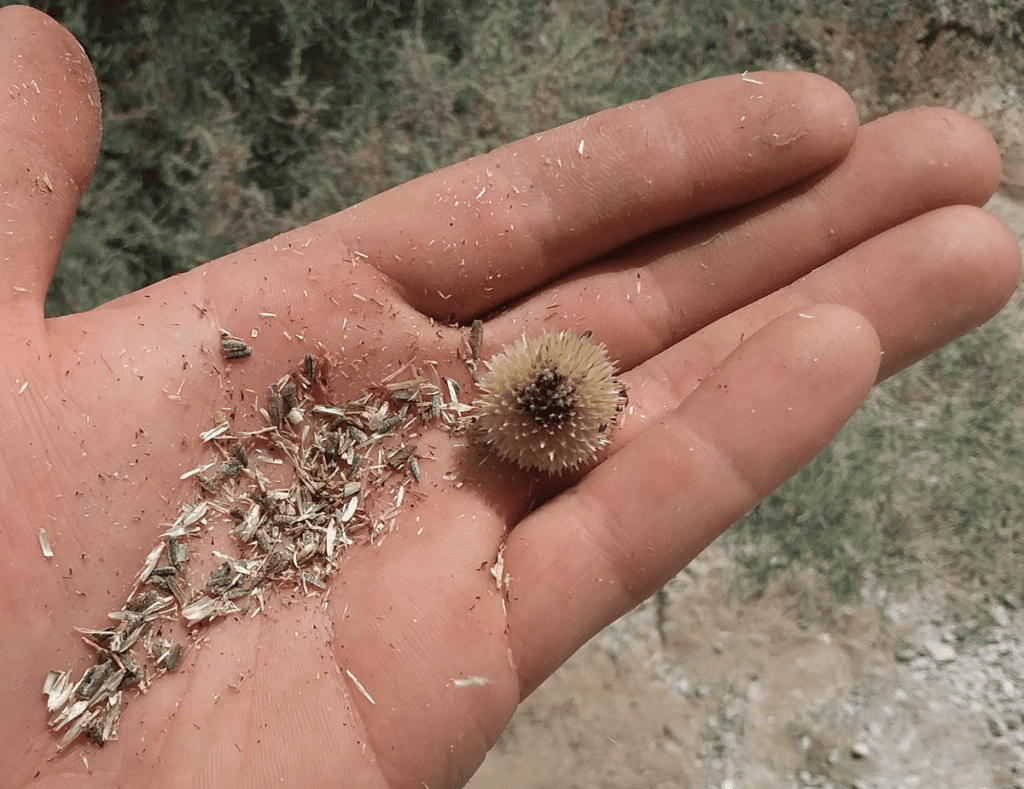
Figure 8. Prairie sunflower seed head with chaff and seeds. Photo: USDI BLM SOS NM930.
Wildland Seed Certification
Verification of species and tracking of geographic source is necessary whether wildland seed is collected for immediate project use or as stock seed for cultivated increase. This official Source Identification process can be accomplished by following procedures established by the Association of Official Seed Certifying Agencies (AOSCA) Pre-Variety Germplasm Program (UCIA 2015; Young et al. 2020). Wildland seed collectors should become acquainted with state certification agency procedures, regulations, and deadlines in the states where they collect.
If wildland-collected seed is to be sold for direct use in ecological restoration projects, collectors must apply for Source-Identified certification prior to making collections. Pre-collection applications, site inspections, and species and seed amount verification are handled by the AOSCA member state agency where seed collections will be made (see listings at AOSCA.org).
If wildland seed collected by a grower or private collector is to be used as stock seed for planting cultivated seed fields or for nursery propagation (See Agricultural Seed Field Certification section), detailed information regarding the collection site and collecting procedures must be provided when applying for certification. Photos and herbarium specimens may be required. Germplasm accessions acquired within established protocols of recognized public agencies, however, are normally eligible to enter the certification process as stock seed without routine certification agency site inspections. For contract grow-outs, however, this collection site information must be provided to the grower to enable certification.
Collection Timing
Based on data from the U.S. Department of the Interior, Bureau of Land Management’s Seed of Success (SOS) collection crews (USDI BLM SOS 2024), prairie sunflower seed is commonly ready for harvest beginning in July or August. There were 13 SOS collections made between 2004 and 2016 from Utah, Colorado, New Mexico, and Kansas. One was made in June, five in July, four in August, two in September, and one in October. The earliest collection date was June 27, 2004, from Kane County, Utah at 4,329 ft (1,319 m) elevation and the latest was October 7, 2004, from Dona Ana County, New Mexico, at 4,347 ft (1,325 m) elevation. At several sites, collections were made 3 to 6 times over the year. At one site in Garfield County, Utah (5,379 ft [1,640 m] elevation) seed was collected first on July 1, again on July 28, August 13, August 24, September 1, and September 14 (Fig. 9) (USDI BLM SOS 2024).
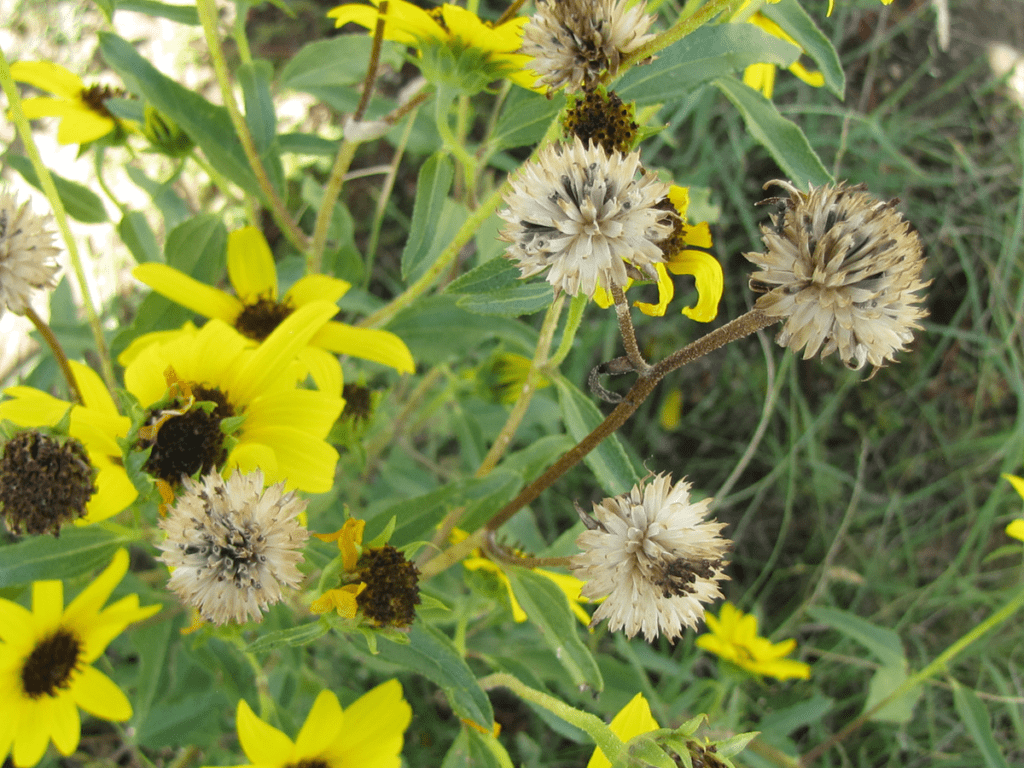
Figure 9. Prairie sunflower plant with open flowers and seed heads present at the same time. Photo: USDI BLM SOS NM930.
Collection Methods
Several collection guidelines and methods should be followed to maximize the genetic diversity of wildland collections: 1) collect seed from a minimum of 50 randomly selected plants; 2) collect from widely separated individuals throughout a population without favoring the most robust or avoiding small stature plants; and 3) collect from all microsites including habitat edges (Basey et al. 2015). General collecting recommendations and guidelines are provided in online manuals (e.g., ENSCONET 2009; USDI BLM SOS 2021).
It is critical that wildland seed collection does not impact the sustainability of native plant populations. Collectors should take no more than 20% of the viable seed available at the time of harvest (USDI BLM SOS 2021). Additionally, care must be taken to avoid the inadvertent collection of weedy species, particularly those that produce seeds similar in shape and size to those of prairie sunflower.
Post-Collection Management
Seed heads and seed should be kept in a dry, shaded place until collections can be moved to a controlled short-term storage environment. Short-term storage should be dry, cool, and inaccessible to rodents or other seed predators. If insects are suspected in any collection, seed should be frozen for 48 hours or treated with an appropriate insecticide. The more plant material in the collection, the more ventilation and drying a seed lot will likely need (Gold n.d.; Hay and Probert 2011).
Seed Cleaning
Prairie sunflower seed heads were dried at 86 °F (30 °C) for 2 weeks, then threshed, and cleaned before storage (Seiler 2010), but precise cleaning procedures were not reported (Fig. 10). The procedures for cleaning annual sunflower can generally be applied to prairie sunflower. As a single-seeded cypsela fruit, the seed is not separated from the fruit, and it is the fruit that is planted.
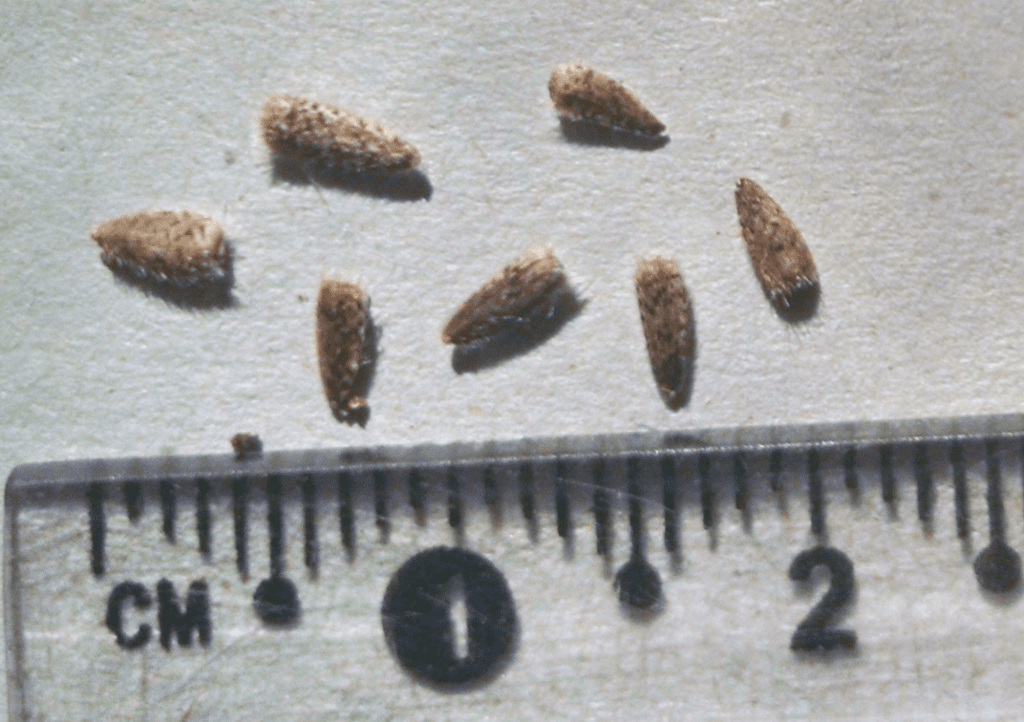
Figure 10. Prairie sunflower seeds measure about 0.5 cm long. Photo: USDI BLM SOS UT060.
Seed Storage
Prairie sunflower seed viability was retained for decades in a controlled environment (Fig. 11). Just 1.5% of seed stored 20 years indoors in a jar (68-72 °F [20-22 C]), RH ~22%) germinated but 80.2% was considered viable after tetrazolium chloride (TZ) testing. Treating stored seeds with 1 mM gibberellic acid (GA3) increased germination to 85%. The stored and tested seed was collected from a sandy roadside ditch in Donley County, Texas in 1983 (Seiler 2010).
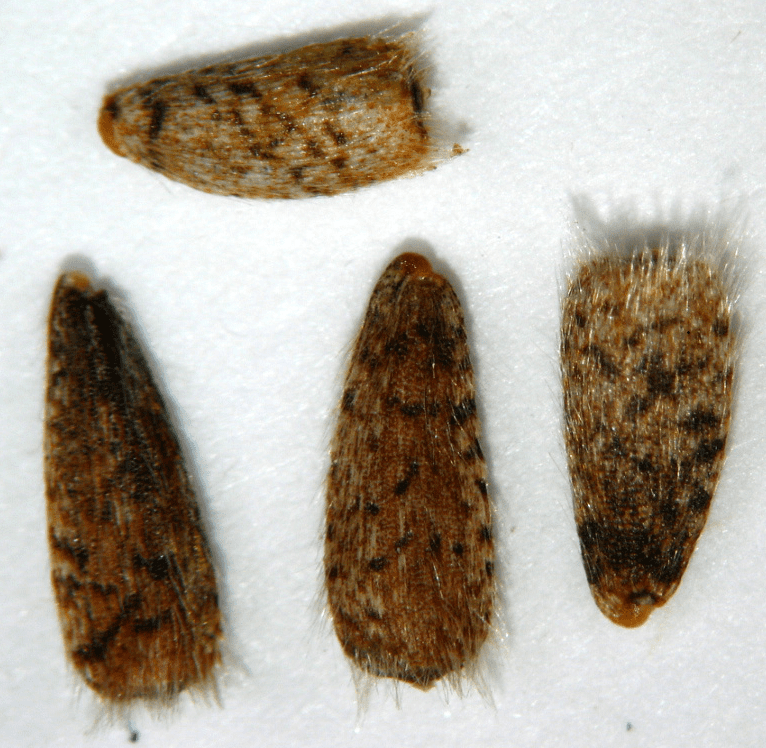
Figure 11. Prairie sunflower seeds under magnification. Photo: U.S. Department of Agriculture, Forest Service, Bend Seed Extractory.
Seed Testing
The Association of Official Seed Analysts provides procedures for evaluating seed viability (AOSA 2010) and testing germination (AOSA 2023) of common sunflower.
Viability Testing
The Association of Official Seed Analysts provides several preparation methods to estimate common sunflower seed viability (AOSA 2010). Seed is imbibed on media moistened with distilled water overnight at 68 to 77 °F (20-25 °C). Prepared seeds are then soaked in a TZ solution as indicated in Table 2.
Table 2. Seed preparation procedures used in tetrazolium chloride (TZ) evaluation of common sunflower. Imbibed seeds are prepared by one of the three methods listed below (AOSA 2010).
| Method | TZ conc (%) | Time (hr) | Temp (°F) |
| Cut seed laterally and remove distal end of cotyledons | 1.0 | Overnight to 24 | 86-95 |
| Cut seed longitudinally, leaving seed intact at distal end | 0.1 | 6 to overnight | 86-95 |
| Cut seed longitudinally, leaving seed intact at basal end | 0.1 | 6 to overnight | 86-95 |
Evaluation of treated seeds (AOSA 2010):
After preparation, seed is considered viable if the
- entire embryo is evenly stained, even if there is slight damage to the radicle tip,
- radicle tip stains slightly darker or lighter than the rest of embryo
Seed is nonviable if:
- radicle with unstained areas extends into the conducting tissue,
- cotyledons are half or more unstained or unstained near the point of attachment,
- any essential part of embryo is unstained,
- radicle has any unstained areas,
- there is extensive bruising (dark red, grey color),
- embryo is broken or cracked
Germination Testing
The AOSA test for germination of common sunflower seed prescribes incubating seed on moist blotter paper or paper towel at alternating temperatures of 68 °F (20 °C) for 16 hrs and 86 °F (30 °C) for 8 hrs. The first count is made at 3 days and the last at 7 days (AOSA 2023).
Germination Biology
Prairie sunflower seeds exhibit physiological dormancy, which is broken by 6 weeks of cool, moist stratification (Baskin and Baskin 2002). By contrast Chandler and Jan (1985) reported that the species exhibits physical dormancy. Removal of the seed coat resulted in 100% germination when seeds were incubated on moist filter paper at 70 to 77 °F (21-25 °C) for 10 days. Without seed coat removal or other pretreatment, germination was 15% cited in (Chandler and Jan 1985 cited in Buhler and Hoffman 1999). Laboratory testing as reported by the Seed Information Database (SID) found 63% germination after 98 days at alternating temperature conditions (77 °F [25 °C]/50° F [10 °C]) and light/dark (8 hr/16 hr). Germination was less (50%) for seed kept at 59 °F (15 °C) with the same light conditions (SER, INSR, RBKG 2023).
Tolstead (1941) reported prairie sunflower germination failure with just dry afterripening, but 35.8% germination after 2 months, 40.8% after 3 months, and 42% after 4 months of dry burial over winter months. Seed for this study was collected near Valentine, Nebraska, in the summer of 1937 and was placed outdoors in glass containers buried 6 in (15 cm) below moist sand beginning in November (Tolstead 1941).
Studies by Seiler (1998) found that seed collected at an immature stage (20 days after flowering) germinated significantly (P < 0.05) better than seed collected at a mature stage (40 days after flowering) when both were afterripened for 6 to 12 months and incubated at -4, 39, or 68 °F (-20, 4, 20 °C) (Table 3). When GA3 (1mM) was added to the germination media germination of afterripened immature and mature seed improved to 45 to 80% (Seiler 1998).
Table 3. Germination of immature and mature seed after 6 months or 12 months of dry storage at various incubating temperatures.
| Dry afterripening | 6 months | 12 months | ||||
| Incubation temp (°F) | -4 | 39 | 68 | -4 | 39 | 68 |
| Immature seed germination (%) | 28 | 16 | 15 | 30 | 13 | 26 |
| Mature seed germination (%) | 10 | 13 | 13 | 18 | 8 | 16 |
To test the germination potential of long-stored prairie sunflower seed, Seiler (2010, 2022) removed the tip (distal to the cotyledon end) of the seed coat and soaked seed in a GA3 (1 mM) solution for 1 hour. Seed was then incubated in the dark at 68 °F (20 °C). Seed that had been stored 20 years in glass jars in a room temperature (68-72 °F [20-22 °C]) laboratory germinated at 85% with treatment following seed coat cutting and the GA3 pretreatment. Germination was 1.5% without treatment. The same treatment on fresh seed increased germination from 18.5 to 62.9% after 21 days (Seiler 2010). In a later study, 0.75% of the same stored seed (now 38 years old) germinated without pretreatment, and 4.5% germinated after the GA3 pretreatment. A TZ test indicated 5.6% of seed remained viable after 38 years in the laboratory (Seiler 2022). Stored and tested prairie sunflower seed was collected on a sandy roadside ditch near Clarendon (Donley County), Texas, in August 1983 (Seiler 2022).
Wildland Seed Yield And Quality
Post-cleaning seed yield and quality of seed lots collected in the Intermountain region are provided in Table 4 (USDA FS BSE 2025). The results indicate that prairie sunflower seed can generally be cleaned to high levels of purity and that viability of fresh seed is generally high.
Table 4. Seed yield and quality of prairie sunflower seed lots collected in the Intermountain region, cleaned by the Bend Seed Extractory, and tested by the Oregon State Seed Laboratory or the USDA Forest Service National Seed Laboratory (USDA FS BSE 2025).
| Seed lot characteristic | Mean | Range | Samples (no.) |
| Bulk weight (lbs) | 2.18 | 0.07-5.50 | 17 |
| Clean weight (lbs) | 0.41 | 0.006-1.17 | 17 |
| Clean-out ratio | 0.22 | 0.06-0.42 | 17 |
| Purity (%) | 96 | 78-99 | 17 |
| Fill (%)¹ | 91 | 73-98 | 17 |
| Viability (%)² | 96 | 91-98 | 15 |
| Cleaned seeds/lb | 162,626 | 74,000-284,550 | 17 |
| Pure live seeds/lb | 144,109 | 71,062-206,906 | 15 |
¹ 100 seed X-ray test
² Tetrazolium chloride test
Marketing Standards
Acceptable seed purity, viability, and germination specifications vary with revegetation plans. Purity needs are highest for precision seeding equipment used in nurseries, while some rangeland seeding equipment handles less clean seed quite well.
Agricultural Seed Production
There was little in the reviewed literature on growing prairie sunflower for seed production. It was grown in a study designed to evaluate the traits of wild sunflowers for crop breeding of annual sunflower. Prairie sunflower was seeded in late May in plots with two 20 ft (6.1 m) long rows spaced 3 ft (90 cm) apart in North Dakota. The seeding rate was 60 seeds/row. Weeds were controlled using a preplant application of a trifluralin herbicide and mechanically after emergence. Plots were fertilized to a total available nitrogen of 100 lbs/ac (112 kg/ha). Seedlings were thinned to 8 in (20 cm) spacings at the four-leaf stage, which resulted in a density of about 14,974 plants/ac (37,000/ha). Flowering occurred after 68 days to flower and maturity after 110 days. Plants averaged 50 in (126 cm) tall with head diameters of 8 in (20 cm). Resulting seed yield was 1,500 lbs/ac (1,680 kg/ha) (Jan et al. 2014).
Agricultural Seed Certification
In order to minimize genetic changes in specific accessions of native species when increased in cultivated fields, it is essential to track the geographic source and prevent inadvertent hybridization or selection pressure. This is accomplished by following third party seed certification protocols for Pre-Variety Germplasm (PVG) as established by the Association of Official Seed Certification Agencies (AOSCA). AOSCA members in the U.S., Canada, and other countries administer PVG requirements and standards that track the source and generation of planting stock. Field and cleaning facility inspections then monitor stand establishment, proper isolation distances, control of prohibited weeds, seed harvesting, cleaning, sampling, testing, and labeling for commercial sales (UCIA 2015; Young et al. 2020).
Seed growers apply for certification of their production fields prior to planting and plant only certified stock seed of an allowed generation (usually less than four). The systematic and sequential tracking through the certification process requires preplanning, knowing state regulations and deadlines, and is most smoothly navigated by working closely with state certification agency personnel. See the Wildland Seed Certification section for more information on stock seed sourcing.
Nursery Practice
Production of prairie sunflower nursery stock was not reported in the reviewed literature.
Wildland Seeding And Planting
Use of prairie sunflower for revegetation or restoration efforts was not widely reported in the reviewed literature, yet the species has many characteristics suggesting it would be a good addition to restoration seed mixes where it is native (Tilley et al. 2013; USDA NRCS 2023). It grows well on disturbed sites and in ruderal conditions with sandy soils receiving at least 9 in (229 mm) of annual precipitation. It produces attractive flowers over a long flowering period. Flowers attract pollinators and are eaten by livestock and other wildlife. Seeds are important to many bird and small mammal species. Growth is considered rapid and a full stand seeding rate of 9 lbs/ac (10 kg/ha) is recommended (Tilley et al. 2013; USDA NRCS 2023).
Prairie sunflower established on coal mine spoils on the Coconino National Forest (Day et al. 1986). Forest litter collected from Coconino National Forest was broadcast and incorporated into the top 2 in (5 cm) of soil on undisturbed and coal mine spoils near Kayenta, Arizona. Prairie sunflower grew in both areas where litter was applied and in the area where litter was collected (Day et al. 1986).
Acknowledgements
Funding for Western Forbs: Biology, Ecology, and Use in Restoration was provided by the USDI BLM Great Basin Native Plant Materials Ecoregional Program through the Great Basin Fire Science Exchange. Great thanks to the chapter reviewers: Madison Maggin, Upper Colorado Environmental Plant Center, and Maggie Eshleman, The Nature Conservancy.
This research was supported in part by the USDA Forest Service, Rocky Mountain Research Station. The findings and conclusions in this publication are those of the authors and should not be construed to represent any official USDA or U.S. Government determination or policy.
Literature Cited
Aikman, J.M. 1930. Secondary plant succession on Muscatine Island, Iowa. Ecology. 11(3): 577-588.
Andrew, R.L.; Ostevik, K.L.; Ebert, D.P.; Rieseberg, L.H. 2012. Adaptation with gene flow across the landscape in a dune sunflower. Molecular Ecology. 21(9): 2078-2091.
Association of Official Seed Analysts [AOSA]. 2010. AOSA/SCST tetrazolium testing handbook. Contribution No. 29. Lincoln, NE: Association of Official Seed Analysts.
Association of Official Seed Analysts [AOSA]. 2023. AOSA rules for testing seeds. Vol. 1. Principles and procedures. Washington, DC: Association of Official Seed Analysts.
Basey, A.C.; Fant, J.B.; Kramer, A.T. 2015. Producing native plant materials for restoration: 10 rules to collect and maintain genetic diversity. Native Plants Journal. 16(1): 37-53.
Baskin, J.M.; Baskin, C.C. 2002. Propagation protocol for production of Container (plug) Helianthus petiolaris Nutt. plants University of Kentucky Lexington, Kentucky. In: Native Plant Network. US Department of Agriculture, Forest Service, National Center for Reforestation, Nurseries, and Genetic Resources. URL: https://NativePlantNetwork.org
Beatley, J.C. 1976. Vascular plants of the Nevada Test Site and central-southern Nevada: Ecologic and geographic distributions. TID-26881. Washington, DC: Technical Information Center, Energy Research and Development Administration. 306 p.
Best, T.L.; Smartt, R.A. 1985. Foods of scaled quail (Callipela squamata) in southeastern New Mexico. Texas Journal of Science. 37(2-3): 155-162.
Best, T.L.; Smartt, R.A. 1986. Feeding ecology of mourning doves (Zenaida macroura) in southeastern New Mexico. Southwestern Naturalist. 31(1): 33-38.
Bower, A.D.; St. Clair, J.B.; Erickson, V. 2014. Generalized provisional seed zones for native plants. Ecological Applications. 24(5): 913-919.
Brisley, H.R. 1925. Notes on the Chrysomelidae (Coleoptera) of Arizona. Transactions of the American Entomological Society. 51(2): 167-182.
Buhler, D.D.; Hoffman, M.L. 1999. Andersen’s guide to practical methods of propagating weeds and other plants. Lawrence, KS: Allen Press. 248 p.
Bush, J.K.; Van Auken, O.W. 2004. Relative competitive ability of Helianthus paradoxus and its progenitors, H. annuus and H. petiolaris (Asteraceae), in varying soil salinities. International Journal of Plant Sciences. 165(2): 303-310.
Cahill, J.F. 2003. Lack of relationship between below-ground competition and allocation to roots in 10 grassland species. Journal of Ecology. 91(4): 532-540.
Cates, R.G.; McElroy, D.C. 1987. Secondary chemistry among sympatric plant species and its relationship to insect herbivory. In: Provenza, F.D.; Flinders, J.T.; McArthur, E.D., comps. Proceedings–symposium on plant-herbivore interactions; 1985 August 7-9; Snowbird, UT. Gen. Tech. Rep. INT-222. Ogden, UT: U.S. Department of Agriculture, Forest Service, Intermountain Research Station: 18-29.
Cockerell, T.D.A. 1918. Notes on the flora of Boulder County, Colorado. Torreya. 18(9): 177-183.
Consortium of Pacific Northwest Herbaria [CPNWH]. 2020. Seattle, WA: University of Washington Herbarium, Burke Museum of Natural History and Culture. pnwherbaria.org/
Costello, D.F. 1944a. Important species of the major forage types in Colorado and Wyoming. Ecological Monographs. 14(1): 107-134.
Costello, D.F. 1944b. Natural revegetation of abandoned plowed land in the mixed prairie association of northeastern Colorado. Ecology. 25(3): 312-326.
Custer, C.P.; Hicks, C.H. 1927. Nesting habits of some Anthidiine bees. Biological Bulletin. 52(4): 258-277.
Day, A.D.; Ludeke, K.L.; Thames, J.L. 1986. Revegetation of coal mine soil with forest litter. Journal of Arid Environments. 11(3): 249-253.
Depew, L.J. 1986. Noncultivated plant-species harboring sunflower moth (Lepidoptera, Pyralidae) in Kansas. Journal of the Kansas Entomological Society. 59(4): 741-742.
Discover Life. 2026. Discover life database. Huntsville, TX. Available: https://www.discoverlife.org/mp/20q
Donovan, L.A.; Rosenthal, D.M.; Sanchez-Velenosi, M.; Rieseberg, L.H.; Ludwig, F. 2010. Are hybrid species more fit than ancestral parent species in the current hybrid species habitats? Journal of Evolutionary Biology. 23(4): 805-816.
Dorrell, D.G.; Whelan, E.D.P. 1978. Chemical and morphological characteristics of seeds of some sunflower species. Crop Science. 18(6): 969-971.
European Native Seed Conservation Network [ENSCONET]. 2009. ENSCONET seed collecting manual for wild species. Edition 1: 32 p.
Fagan, D. 1998. Canyon country wildflowers. A Falcon Guide. Helena, MT: Falcon Publishing Company. 147 p.
Farr, D.F.; Rossman, A.Y. 2025. Fungal databases, U.S. National Fungus Collections. U.S. Department of Agriculture, Agricultural Research Service. https://fungi.ars.usda.gov/
Frolik, A.L.; Shepherd, W.O. 1940. Vegetative composition and grazing capacity of a typical area of Nebraska sandhill range land. Research Bulletin No. 117. Lincoln, NE: University of Nebraska Agricultural Experimental Station. 39 p.
Goebl, A.M.; Doak, D.F.; Kane, N.C. 2022. Empirical test of increasing genetic variation via inter-population crossing for native plant restoration in variable environments. Restoration Ecology. 30(8): e13648.
Goebl, A.M.; Kane, N.C.; Doak, D.F.; Rieseberg, L.H.; Ostevik, K.L. 2024. Adaptation to distinct habitats is maintained by contrasting selection at different life stages in sunflower ecotypes. Molecular Ecology. 33(4): e16785.
Gold, K. n.d. Post-harvest handling of seed collections. Tech. Info. Sheet 04. UK: Royal Botanic Gardens Kew and Millennium Seed Bank Partnership. 4 p.
Goodrich, S.; Neese, E. 1986. Uinta Basin flora. Ogden, UT: U.S. Department of Agriculture, Forest Service, Intermountain Region. 320 p.
Grasswitz, T.R.; Dreesen, D.R. n.d. Pocket guide to native bees of New Mexico. Las Cruces, NM: New Mexico State University Agricultural Science Center, U.S. Department of Agriculture, National Resources Conservation Service, Los Lunas Plant Materials Center. 30 p.
Gutierrez, A., Scaccia Baffigi, D.; Poverene, M. 2020. Assessment of mating system in Helianthus annuus and H. petiolaris (Asteraceae) populations. Helia. 43(72): 15-32.
Gutierrez, A.; Cantamutto, M.; Poverene, M. 2012. Disease tolerance in Helianthus petiolaris: A genetic resource for sunflower breeding. Plant Production Science. 15(3): 204-208.
Hanson, H.C.; Whitman, W. 1938. Characteristics of major grassland types in western North Dakota. Ecological Monographs. 8(2): 57-114.
Hay F.R.; Probert, R.J. 2011. Chapter 20: Collecting and handling seeds in the field. In: Guarino, L.; Ramanatha, V.; Goldberg, E. Collecting plant genetic diversity: Technical Guidelines-2011 update. Rome, Italy: Bioversity International. 33 p.
Heiser, C.B. 1947. Hybridization between the sunflower species Helianthus annuus and H. petiolaris. Evolution. 1(4): 249-262.
Hermann, F. 1966. Notes on western range forbs: Cruciferae through Compositae. Agric. Handb. 293. Washington, DC: U.S. Department of Agriculture, Forest Service. 365 p.
Hickman, J.C., ed. 1993. The Jepson manual: Higher plants of California. Berkeley, CA: University of California Press. 1400 p.
Hitchcock, C.L.; Cronquist, A. 2018. Flora of the Pacific Northwest: An illustrated manual. Second Ed. Giblin, D.E.; Legler, B.S.; Zika, P.F.; Olmstead, R.G., eds. Seattle, WA: University of Washington Press. 882 p.
Hough, W. 1897. The Hopi in relation to their plant environment. American Anthropologist. 10(2): 33-44.
Huang, K., Andrew, R.L.; Owens, G.L.; Ostevik, K.L.; Rieseberg, L.H. 2020. Multiple chromosomal inversions contribute to adaptive divergence of a dune sunflower ecotype. Molecular Ecology. 29(14): 2535-2549.
Huang, K.C.; Ostevik, K.L.; Jahani, M.; Todesco, M.; Bercovich, N.; Andrew, R.L.; Owens, G.L.; Rieseberg, L.H. 2025. Inversions contribute disproportionately to parallel genomic divergence in dune sunflowers. Nature Ecology and Evolution. 9(2): 325-335.
ITIS Database. 2026. Integrated Taxonomic Information System. Available: http://www.itis.gov/index.html
Jan, C.C.; Seiler, G.J.; Hammond, J.J. 2014. Effect of wild Helianthus cytoplasms on agronomic and oil characteristics of cultivated sunflower (Helianthus annuus L.). Plant Breeding. 133(2): 262-267.
Johnson, J.R.; Larson, G.E. 1999. Grassland plants of South Dakota and the northern Great Plains. Research Bulletins of the South Dakota Agricultural Experiment Station. 566: 288.
Johnson, W.M. 1945. Natural revegetation of abandoned crop land in the ponderosa pine zone of the Pike’s Peak region in Colorado. Ecology. 26(4): 363-374.
Karrenberg, S.; Edelist, C.; Lexer, C.; Rieseberg, L. 2006. Response to salinity in the homoploid hybrid species Helianthus paradoxus and its progenitors H. annuus and H. petiolaris. New Phytologist. 170(3): 615-629.
Keil, D.J. 2020. Helianthus annuus. In: Jepson Flora Project (eds.) Jepson eFlora, Revision 8, https://ucjeps.berkeley.edu/eflora/eflora_display.php?tid=3244 [Accessed 2026 January 7].
Kelso, L. 1931. Some notes on young desert horned larks. The Condor. 33(2): 60-65.
Kelso, T.; Bower, N.; Halteman, P.; Tenney, K.; Weaver, S. 2004. Dune communities of southeast Colorado: Patterns of rarity, disjunction and succession. In: Barlow, I.P.; Anderson, J.; McDonald, C., tech eds. Southwestern rare and endangered plants: Proceedings of the 4th Conference. 2001 March 22-26; Las Cruces, NM; Fort Collins, CO: U.S. Department of Agriculture, Forest Service, Rocky Mountain Research Station: 37-48.
Kindscher, K. 1987. Edible wild plants of the prairie: An ethnobotanical guide. Lawrence: University Press of Kansas. 279 p.
Lady Bird Johnson Wildflower Center [LBJWC]. 2026. Helianthus petiolaris Nutt. Native Plant Database. Austin, TX: Lady Bird Johnson Wildflower Center. https://www.wildflower.org/plants/result.php?id_plant=HEPE [Accessed 2026 April 1].
Lemen, C.A.; Freeman, P.W. 1986. Habitat selection and movement patterns in sandhills rodents. Prairie Naturalist. 18(3): 129-141.
Lesica, P. 2012. Manual of Montana vascular plants. Fort Worth, TX: Botanical Research Institute of Texas (BRIT) Press. 779 p.
Lexer, C., Welch, M.E.; Raymond, O.; Rieseberg, L.H. 2003. The origin of ecological divergence in Helianthus paradoxus (Asteraceae): Selection on transgressive characters in a novel hybrid habitat. Evolution. 57(9): 1989-2000.
MacKinnon, A.; Kershaw, L.; Arnason, J.; Owen, P.; Karst, A.; Hamersley Chambers, F. 2014. Edible and medicinal plants of Canada. Edmonton, Alberta: Partners Publishing and Lone Pine Publishing. 448 p.
Martin, A.C.; Barkley, W.D. 2000. Seed identification manual. Caldwell, NJ: The Blackburn Press. 221 p.
Moerman, D. 2003. Native American ethnobotany: A database of foods, drugs, dyes, and fibers of Native American peoples, derived from plants. Dearborn, MI: University of Michigan. http://naeb.brit.org
Mulroy, T.W.; Rundel, P.W. 1977. Annual plants: Adaptations to desert environments. Bioscience 27(2): 109-114.
Munz, P.A.; Keck, D.D. 1973. A California flora and supplement. Berkeley, CA: University of California Press. 1905 p.
Omernik, J.M. 1987. Ecoregions of the conterminous United States. Map (scale 1:7,500,000). Annals of the Association of American Geographers. 77(1): 118-125.
Ostevik, K.L.; Andrew, R.L.; Otto, S.P.; Rieseberg, L.H. 2016. Multiple reproductive barriers separate recently diverged sunflower ecotypes. Evolution. 70(10): 2322-2335.
Palmer, E. 1878. Plants used by the Indians of the United States. The American Naturalist. 12(9): 593-606.
Pammel, L.H. 1899. Some ecological notes on the Muscatine flora. The Plant World. 2(11): 182-186.
Pammel, L.H. 1910. Rocky Mountain rambles (continued). The Plant World. 13(8): 181-190.
Pfeiffer, K.E.; Steuter, A.A. 1994. Preliminary response of sandhills prairie to fire and bison grazing. Journal of Range Management. 47(5): 395-397.
Plant Conservation Alliance [PCA]. 2015. National seed strategy for rehabilitation and restoration 2015-2020. Washington, DC: U.S. Department of the Interior, Bureau of Land Management. 52 p.
Pool, R.J. 1914. A study of the vegetation of the sandhills of Nebraska. Minneapolis, MN: University of Minnesota. Thesis. 327 p.
Porensky, L.M.; McGee, R.; Pellatz, D.W. 2020. Long-term grazing removal increased invasion and reduced native plant abundance and diversity in a sagebrush grassland. Global Ecology and Conservation. 24: e01267.
Ramaley, F. 1939. Sand-hill vegetation of northeastern Colorado. Ecological Monographs. 9(1): 1-51.
Ramaley, R. 1919. Xerophytic grasslands at different altitudes in Colorado. Bulletin of the Torrey Botanical Club. 46(2): 37-52.
Richardson, B.; Kilkenny, F.; St. Clair, B.; Stevenson-Molnar, N. 2020. Climate Smart Restoration Tool. https://climaterestorationtool.org
Rieseberg, L.H.; Baird, S.J.E.; Desrochers, A.M. 1998. Patterns of mating in wild sunflower hybrid zones. Evolution. 52(3): 713-726.
Rieseberg, L.H.; Linder, C.R. 1999. Hybrid classification: Insights from genetic map-based studies of experimental hybrids. Ecology. 80(2): 361-370.
Robinson, G.S.; Ackery, P.R.; Kitching, I.; Beccaloni, G.W.; Hernández, L.M. 2025. HOSTS: A Database of the World’s Lepidopteran Hostplants [Data set]. Natural History Museum. https://doi.org/10.5519/havt50xw
Ruthven, D.C.; Gallagher, J.F.; Synatzske, D.R. 2000. Effect of fire and grazing on forbs in the western South Texas Plains. Southwestern Naturalist. 45(2): 89-94.
Saran, A.; Fernandez, L.; Cora, F.; Savio, M.; Thijs, S.; Vangronsveld, J.; Merini, L.J. 2020. Phytostabilization of Pb and Cd polluted soils using Helianthus petiolaris as pioneer aromatic plant species. International Journal of Phytoremediation. 22(5): 459-467.
Schilling, E.E. 2006. Helianthus L. Flora of North America North of Mexico Vol. 21 Magnoliophyta: Asteridae (in part). Flora of North America Editorial Committee. New York, NY: Oxford University Press. 21: 141-149.
Schilling, E.E.; Heiser, C.B. 1981. Infrageneric classification of Helianthus (Compositae). Taxon. 30(2): 393-403.
Schwantes, C.J.; Carper, A.L.; Bowers, M.D. 2018. Solitary floral specialists do not respond to cryptic flower-occupying predators. Journal of Insect Behavior. 31(6): 642-655.
Seiler, G.J. 1998. Seed maturity, storage time and temperature, and media treatment effects on germination of two wild sunflowers. Agronomy Journal. 90(2): 221-226.
Seiler, G.J. 2010. Germination and viability of wild sunflower species achenes stored at room temperature for 20 years. Seed Science and Technology. 38: 786-791.
Seiler, G.J. 2022. Germination and viability of wild sunflower species seeds stored at room temperature and low humidity for 38 years. Seed Science and Technology. 50(3): 307-315.
Seiler, G.J.; Brothers, M.E. 1999. Oil concentration and fatty acid composition of achenes of Helianthus species (Asteraceae) from Canada. Economic Botany. 53(3): 273-280.
Seiler, G.J.; Carr, M.E.; Bagby, M.O. 1991. Renewable resources from wild sunflowers (Helianthus spp., Asteraceae). Economic Botany. 45(1): 4-15.
Seiler, G.J.; Qi, L.L.; Marek, L.F. 2017. Utilization of sunflower crop wild relatives for cultivated sunflower improvement. Crop Science. 57(3): 1039-1821.
SEINet-Regional Networks of North American Herbaria Steering Committee [SEINet]. 2023. SEINet Regional Networks of North American Herbaria. https://Symbiota.org/docs/seinet
Shiflet, T.N. 1975. Range sites and soils in the United States. In: Hyder, D.N., ed. Arid shrublands–Proceedings of the 3rd workshop of the United States/Australia rangelands panel. 1973 March 26-April 5; Tucson, AZ. Denver, CO: Society for Range Management: 26-32.
Shiflet, T.N. 1994. Rangeland cover types of the United States. Denver, CO: Society for Range Management. 152 p.
Skoric, D. 1992. Achievements and future directions of sunflower breeding. Field Crops Research. 30(3-4): 231-270.
Sobrado, M.A.; Turner, N.C. 1986. Photosynthesis, dry matter accumulation and distribution in the wild sunflower Helianthus petiolaris and the cultivated sunflower Helianthus annuus as influenced by water deficits. Oecologia. 69: 181-187.
Society for Ecological Restoration, International Network for Seed-based Restoration, and Royal Botanic Gardens Kew [SER, INSR, RBGK]. 2026. Seed Information Database (SID). Version 7.1. https://ser-sid.org/
Spellenberg, R. 2012. Sonoran Desert wildflowers: A guide to common plants. Helena, MT: Falcon Guides. 245 p.
Steedman, E.V. 1928. Ethnobotany of the Thompson Indians of British Columbia: Based on field notes by James A. Teit. Smithsonian Institution. Bureau of American Ethnology Annual Report V. 45. Washington, D.C.: U.S. Government Printing Office. 80 p.
Steiger, T.L. 1930. Structure of prairie vegetation. Ecology. 11(1): 170-217.
Stevens, O.A. 1932. The number and weight of seeds produced by weeds. American Journal of Botany. 19(9): 784-794.
Stromberg, J.C.; Tiller, R.; Richter, B. 1996. Effects of groundwater decline on riparian vegetation of semiarid regions: The San Pedro, Arizona. Ecological Applications. 6(1): 113-131.
Taylor, R.J. 1998. Desert wildflowers of North America. Missoula, MT: Mountain Press Publishing Company. 349 p.
Tilley, D.; Spencer, J.; Cracroft, T.; Brazee, B.; Vaughan, M.; Cruz, J.K. 2019. Creation and management of Utah butterfly habitat. Tech. Note Plant Materials 73. Boise, ID: U.S. Department of Agriculture, Natural Resources Conservation Service. 20 p.
Tilley, D.; Taliga, C.; Burns, C.; St. John, L. 2013. Plant materials for pollinators and other beneficial insects in eastern Utah and western Colorado. Tech. Note 2C. Boise, ID: U.S. Department of Agriculture, Natural Resources Conservation Service. 54 p.
Tolstead, W.L. 1941. Germination habits of certain sand hill plants in Nebraska. Ecology. 22(4): 393-397.
Tolstead, W.L. 1942. Vegetation of the northern part of Cherry County, Nebraska. Ecological Monographs. 12(3): 255-292.
Turner, N.J.; Thompson, L.C.; Thompson, M.T.; York, A.Z. 1990. Thompson ethnobotany: Knowledge and usage of plants by the Thompson Indians of British Columbia. Royal British Columbia Museum Memoir No. 3. Victoria, British Columbia, Canada: Royal British Columbia Museum. 335 p.
U.S. Department of the Interior, Bureau of Indian Affairs [USDI BIA] 1976. Indian owned range resources: Their use and apportionment. Report No. 241. Billings, MT: U.S. Department of the Interior, Bureau of Indian Affairs. 228 p.
Uhey, D.A.; Vissa, S.; Haubensak, K.A.; Ballard, A.D.; Aguilar, M.B.; Hofstetter, R.W. 2024. Increased cover of native and exotic plants on the rims of harvester ant (Hymenoptera: Formicidae) nests under grazing and drought. Environmental Entomology. 53(1): 180-187.
Ungerer, M.C.; Baird, S.J.E.; Pan, J.; Rieseberg, L.H. 1998. Rapid hybrid speciation in wild sunflowers. PNAS 95(20): 11757-11762.
Uresk, D.W.; Sharps, J.C. 1986. Denning habitat and diet of the swift fox in western South Dakota. The Great Basin Naturalist. 46(2): 249-253.
USDA Forest Service, Bend Seed Extractory [USDA FS BSE]. 2025. Nursery Management Information System Version 4.1.11. Local Source Report 34-Source Received. Bend, OR: U.S. Department of Agriculture, Forest Service Bend Seed Extractory.
USDA Forest Service, Pacific Northwest Research Station [USDA FS PNW]. 2026. Seed Zone WebMap. Portland, OR: U.S. Department of Agriculture, Forest Service, Pacific Northwest Research Station. https://research.fs.usda.gov/pnw/products/dataandtools/seed-zone-webmap
USDA Natural Resources Conservation Service [USDA NRCS]. 2023. Conservation plant species for the Intermountain West. Tech. Note 24. Aberdeen, ID: U.S. Department of Agriculture, Natural Resources Conservation Service, Aberdeen Plant Materials Center. 76 p.
USDA Natural Resources Conservation Service [USDA NRCS]. 2026. The PLANTS Database. Greensboro, NC: U.S. Department of Agriculture, Natural Resources Conservation Service, National Plant Data Team. https://plants.sc.egov.usda.gov/
USDI Bureau of Land Management, Seeds of Success [USDI BLM SOS]. 2023. Bureau of Land Management technical protocol for the collection, study, and conservation of seeds from native plant species for Seeds of Success. Washington, DC: U.S. Department of the Interior, Bureau of Land Management, Plant Conservation and Restoration Program. 45 p.
USDI Bureau of Land Management, Seeds of Success [USDI BLM SOS]. 2024. Seeds of Success collection data. Washington, DC: U.S. Department of the Interior, Bureau of Land Management, Plant Conservation and Restoration Program.
USDI Environmental Protection Agency [USDI EPA]. 2018. Ecoregions. Washington, DC: U.S. Environmental Protection Agency. https://www.epa.gov/eco-research/ecoregions
USDI Geological Survey [USDI USGS]. 2023. Biodiversity Information Serving Our Nation (BISON). U.S. Geological Survey. https://www.gbif.us/
Utah Crop Improvement Association [UCIA]. 2015. How to be a seed connoisseur. Logan, UT: UCIA, Utah Department of Agriculture and Food, Utah State University and Utah State Seed Laboratory. 16 p.
Vestal, A.G. 1914. Prairie vegetation of a mountain-front area in Colorado. Botanical Gazette. 58(5): 377-400.
Vestal, P.A. 1952. Ethnobotany of the Ramah Navaho. Reports of the Ramah Project: No. 4. Papers of the Peabody Museum of American Archeology and Ethnology. Cambridge, MA: Harvard University. 40(4): 1-94.
Volesky, J.D.; Connot, S.B. 2000. Vegetation response to late growing-season wildfire on Nebraska sandhills rangeland. Journal of Range Management. 53(4): 421-426.
Weaver, J.E.; Albertson, F.W. 1936. Effects of the great drought on the prairies of Iowa, Nebraska, and Kansas. Ecology. 17(4): 567-639.
Weber, S.A.; Seaman, P.D., eds. 1985. Havasupai habitat: A.F. Whiting’s ethnography of a traditional Indian culture. Tucson, AZ: University of Arizona Press. 288 p.
Weber, W.A. 1976. Rocky Mountain flora. Boulder, CO: Colorado Associated University Press. 479 p.
Welsh, S.L.; Atwood, N.D.; Goodrich, S.; Higgins, L.C., eds. 2015. A Utah Flora. Fifth Edition, revised. Provo, UT: Brigham Young University. 990 p.
Whiting, A.F. 1939. Ethnobotany of the Hopi. Museum of Northern Arizona Bulletin No. 15. Flagstaff, AZ: Museum of Northern Arizona. 128 p.
Wojcik, V.; Morandin, L. 2024. Selecting plants for pollinators: A guide for gardeners, farmers, and land managers in the Great Plains Palouse dry steppe province. San Francisco, CA: Pollinator Partnership. 28 p.
Young, S.A.; Schrumpf, B.; Bouck, M.; Moore, M. 2020. How the Association of Official Seed Certifying Agencies (AOSCA) tracks wildland sourced seed and other plant propagating materials. Logan, UT: Utah State University, Utah Agricultural Experiment Station. 36 p.
How to Cite
Gucker, C.L.; Shaw, N.L. 2026. Prairie sunflower (Helianthus petiolaris Nutt.). In: Gucker, C.L.; Shaw, N.L., eds. Western forbs: Biology, ecology, and use in restoration. Reno, NV: Great Basin Fire Science Exchange. Online: https://westernforbs.org/prairie-sunflower-Helianthus-petiolaris